The Little Upgrades That Make For A Healthier Family Life
If you’re trying to make sure that your family is healthy, then you might have already started making changes to their diet, but health goes a lot further than what we eat alone. Given how much time we spend in the home, it should be no surprise that the home environment can play a big role in hygiene, disease prevention, and general health, as well. Here, we’ll look at some of the upgrades you can make, both in the home itself and your family’s home routine, that can result in a healthier, happier life and some peace of mind for you.
Stop Using Toxic Cleaners
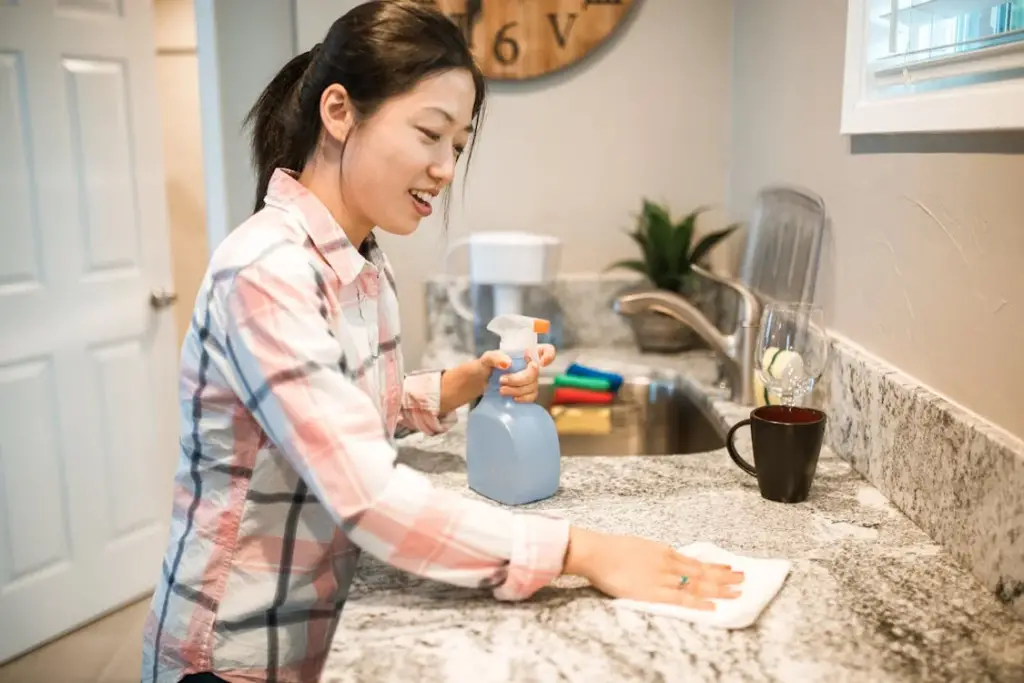
You might think that it would be irresponsible to sell products designed to be used where you live that might have some negative health repercussions. However, a lot of the household cleaners you find in the store can contain harsh chemicals that can irritate the skin, lungs, and eyes, and children and pets can be especially vulnerable to them. Instead of buying these aggressive chemical cleaners, you can make the switch to non-toxic, natural alternatives like vinegar, baking soda, or plant-based brands can reduce your family’s exposure to harmful substances. These cleaners are just as effective for daily messes without polluting indoor air or leaving behind chemical residues. Keep an eye out for products that are labeled as non-toxic or free from VOCs.
Improve Your Air Quality
Given that we spend a lot of our time inside our homes, it can be a pretty disturbing fact to learn that indoor air can contain five times the amount of pollutants as the air outside. Buildups of dust, pet dander, mold spores, and VOCs from furniture or cleaners can accumulate quickly. To improve air quality, you can take steps like vacuuming with a HEPA filter, cleaning your air vents more regularly, and even adding houseplants like spider plants or peace lilies, which naturally purify air. Perhaps the best tip of all, however, is simply to open the windows more often. If you do feel like your home builds up with dust or dander quicker than the average, then you might want to invest in an air purifier.
Cook More Meals At Home
As mentioned, managing what your family eats can have a big impact on their health, especially what kind of nutrients they get on a daily basis. Home-cooked meals are often lower in sodium, sugar, and unhealthy fats than takeout or processed foods. They also offer more nutrient-rich ingredients like vegetables, whole grains, and lean proteins. If you’re able to get the kids involved in the meal prep, it can also help them develop their own healthy eating habits that they’re a lot more likely to take with them into later life. Kids who don’t learn how to cook can often become adults who don’t learn how to cook, and it’s your responsibility to stop that from happening.
Ensure You Have Clean Drinking Water
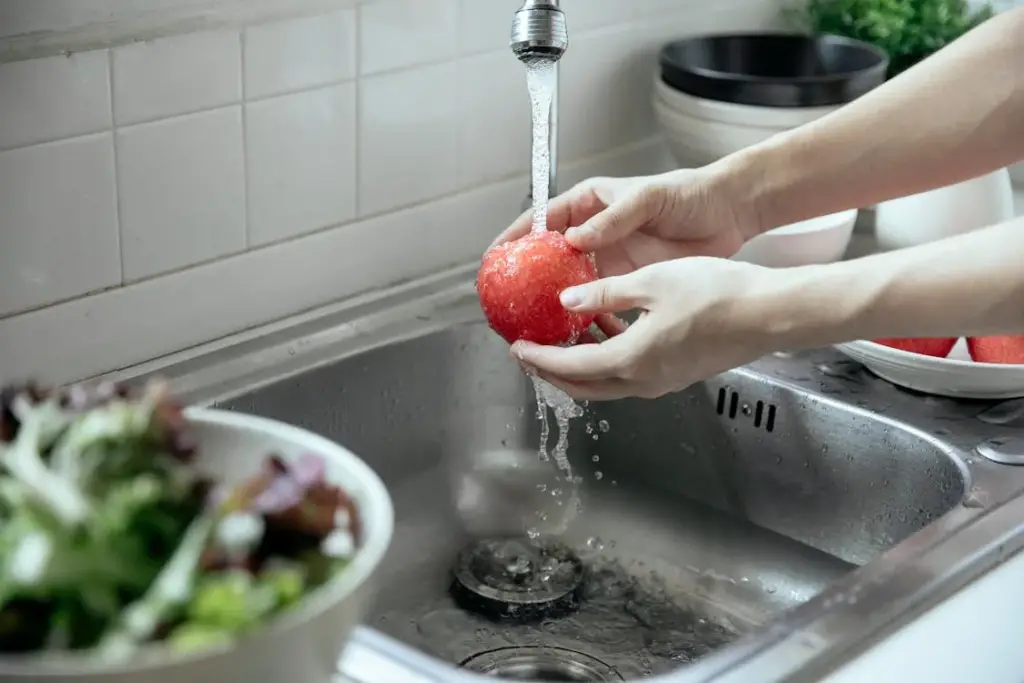
The reality is that for most households, the water that comes out of your taps is likely to have some contaminants that you might rather weren’t in there, whether it’s chlorine, lead, or other tiny particulates. However, you want to ensure that your family is able to drink plenty of clean water, so with the help of a professional plumber, you should consider installing a water filtration system. These systems can be installed under the sink, on the countertop, or even in the whole home to remove impurities and improve both taste and safety. Filtered water encourages the whole family to stay hydrated and reduces reliance on bottled water, which saves money and plastic waste. Even cooking with filtered water can improve the taste and nutrition of your dishes.
Create Healthier Sleeping Environments
Just as important as what you eat and drink is how well you sleep. Your family’s sleep health impacts everything from their immune function to their mood. You can start making your home a healthier place to sleep by creating dark, quiet, and cool bedrooms. Use blackout curtains, white noise machines, and avoid screens an hour before bedtime. Be sure to check that everyone has a comfortable mattress and pillow, as if they start getting a little lumpy or uneven, it may be time to replace them. If your family starts getting a better night’s sleep, it can start reflecting quickly in their energy, focus, and a much less stressful household.
Get Everyone Moving
If you’re trying to get your children in healthy living habits, then often the best way to lead is by example. This doesn’t mean that you have to turn your home into a gym, of course. Simply setting up some fun, everyday activities with the kids can be more than enough, whether it’s a morning aerobics class with the right online workout videos, family walks after dinner, or getting out into the backyard as a family to play around more often. You should also make efforts to limit sedentary time by rotating active chores or using standing desks for homework. If frequent movement is a routine part of your kids’ lives now, it’s going to make it easier for them to keep that habit up in later life, too.
Create Screen-Free Times
Limiting how much screen time your kids get is important, especially if they’re particularly young. After all, too much of it can disrupt sleep, reduce physical activity, and impact mental well-being. Establishing screen-free zones, like during dinner or in their own bedrooms, can help your family stay connected with meaningful interactions. You can take the time to talk, read, play games, or get creative together, instead of everyone being relegated to their own screens. If your family is already quite locked to their digital devices, it can be better to set these rules gradually to avoid too many arguments.
The tips above aren’t that extensive or difficult, but the impact that they can make on the health of the family is one to seriously consider. Look at where you can make those little improvements in your own home.