
5 Repairs That Could Save You Money On Your Energy Bills
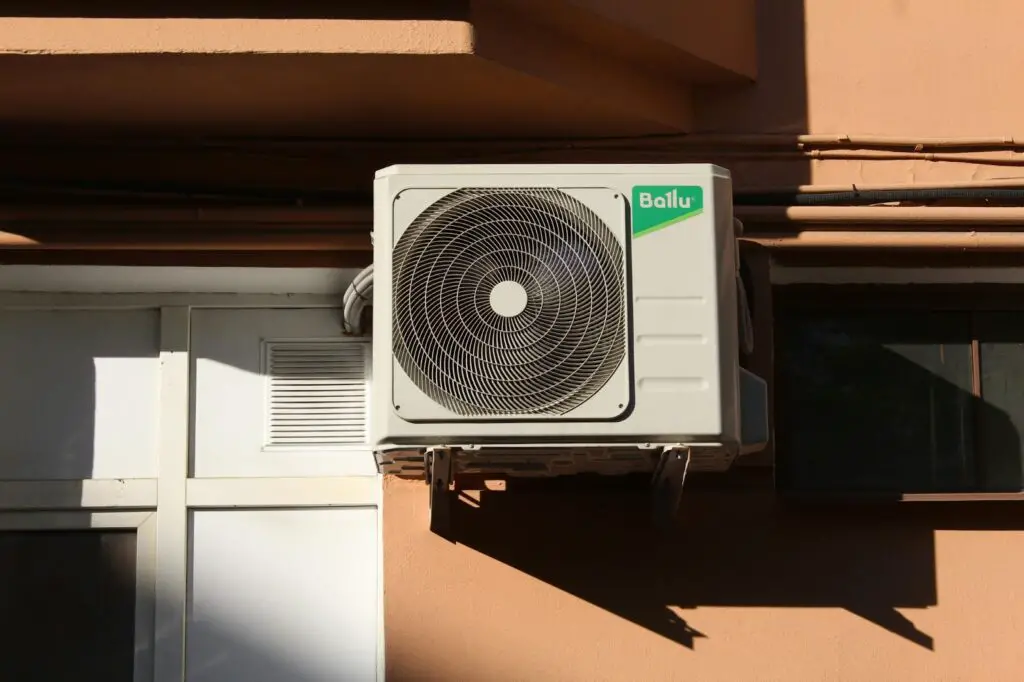
Could a few household repairs be the solution to high energy bills? From faulty HVAC to drafty windows, there are many fixable issues around the home that could be causing you to consume unnecessary amounts of energy. By making a few of these fixes, you could make your home more energy-efficient and save some money.
Fixing faulty HVAC
Your HVAC could be faulty without you realizing. Issues like dusty air filters, dirty condenser coils and leaky ductwork could all be causing your system to work harder than necessary in order to reach the right temperature levels. All of these issues are easily fixable.
It’s worth hiring HVAC contractors to inspect your system every year. These services can help identify faults that may need fixing. By carrying out this necessary maintenance, you could find that your HVAC works more efficiently. On top of lowering energy costs, you could also find that the air quality in your home is cleaner and your HVAC is less noisy.
Sealing up cracks
Cracks in your home’s walls could be allowing heat to escape and cold air to get in. This could result in you having to turn up the heating in winter higher and more regularly. On top of this, cracks could be letting in pests and potentially rainwater.
You can seal cracks around your home easily using caulk or by using weatherstripping (useful for gaps around windows and doors). Before you seal up these cracks, make sure to consider the size and shape of them. Large and stepped cracks could be a sign of foundation issues, which is a major issue that you don’t want to ignore.
Repairing drafty windows
Got cold drafts coming through your windows? These drafts could be forcing you to use more heating than is necessary and could be contributing to high energy bills. This is usually the result of failed sealing, damaged frames or poor installation.
To help combat drafty windows, it could be worth hiring a window specialist to take a look at them. It’s possible that you may be able to simply replace the sealing, but in other cases you may need to consider new windows. This is particularly the case if windows are also letting in rainwater. Investing in new windows could be a chance to consider more energy-efficient panes or more energy-efficient frames. Double and triple pane windows can greatly reduce heat loss through the glass, while fiberglass frames can help reduce heat loss through the frames themselves.
Upgrading an old boiler
If your home’s heating uses a boiler, you may also want to consider the efficiency of this boiler system. Old boilers can have leaks and pressure problems that can stop them from producing heat as effectively. Investing in a new boiler could be necessary to lower your energy bills.
A plumber will be able to help you choose and install a new boiler. Gas boilers tend to be more energy-efficient than electric boilers, however if you’ve already got an electric boiler it is better to stick with this (electric boilers are more friendly to the planet and the cost of installing a gas boiler could be so high that there are no costs saved).
Replacing an old roof
A lot of heat in a home can be lost through an old roof. Such roofs can have missing tiles and cracks that let heat escape, while also allowing cold drafts in. Most roofs last about 30 years, but it depends on the material and how well it has been maintained over the years.
It’s possible that a roofer may be able to make repairs to your roof, instead of having to replace it. This is likely to be cheaper than a full roof replacement. That said, replacing your roof could be recommended if it is very old and likely to experience more issues in the near future. It could be an opportunity to consider a new style of roof that is potentially more energy-efficient. Cool roofs for example are recommended in sunny regions as they can reflect more sunlight and stop your home from getting as hot in the summer, preventing the need for as much cooling. If you live in a colder region, it might be better to focus on insulating your roof if it isn’t already insulated. There are a few different forms of roof insulation that you can explore.
Conclusion
These five repairs could make a significant impact to your home’s energy consumption. While they do require an upfront investment, the savings in the long run make these repairs worthwhile – especially as energy costs continue to rise.