Essential Home Upgrades for Weatherproofing Against Severe Conditions
When the skies darken, and the winds pick up, there’s nothing more reassuring than knowing your home is prepared to withstand whatever Mother Nature throws its way. Weatherproofing isn’t just about peace of mind; it’s a practical approach to protecting your biggest investment—your home. Severe weather conditions like hurricanes, blizzards, and torrential rains can test the limits of your property, and the cost of being unprepared can be astronomical.
In this guide, we’ll walk you through the essential home upgrades that bolster your home’s defenses against the elements. From choosing the right roofing materials to smart technology that keeps you one step ahead of the storm, we’ll cover the strategies that are crucial for weatherproofing your living space.
Whether you’re facing the swirling winds of a tornado or the creeping frost of a blizzard, these upgrades will help ensure that your home remains safe, warm, and dry.
Let’s dive into the practical steps you can take to fortify your home and make sure that you and your loved ones stay protected through every season.
Choosing the Right Roofing
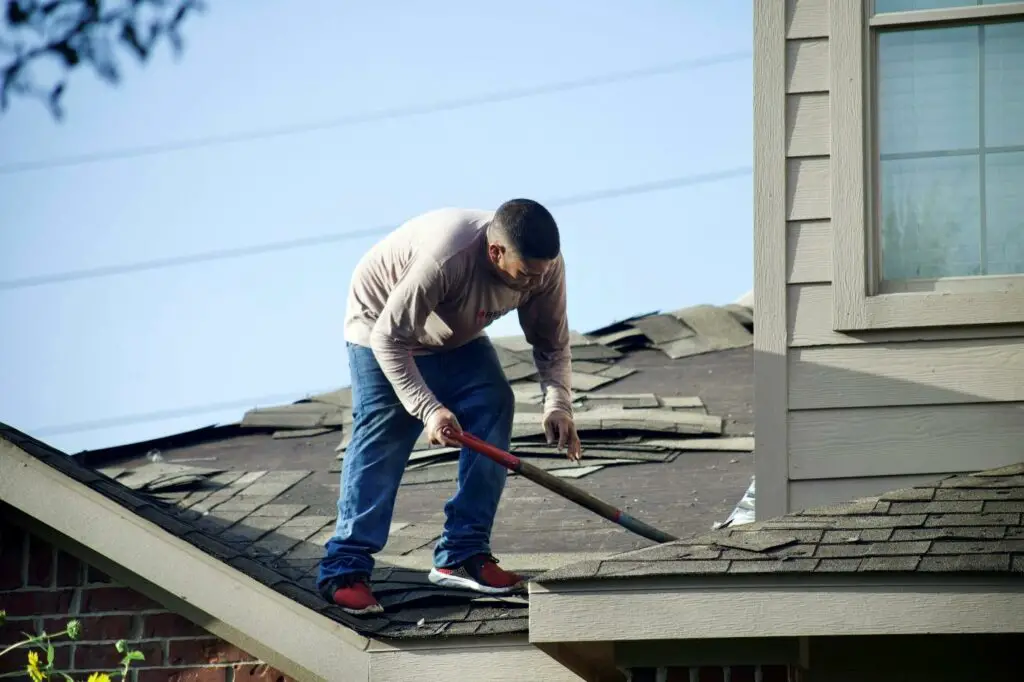
The roof is your home’s first line of defense against the elements, making its resilience and quality paramount. Reputable companies like TC Metal Roofing offer services that provide superior durability and weather resistance. Unlike traditional asphalt shingles, metal roofs excel in withstanding high winds, heavy rain, and even hail without losing their integrity. They also offer fire resistance, which helps in protecting against potential embers from nearby wildfires. If you live somewhere arid with conditions ripe for rapid fire spread, these materials are something fire damage contractors would heavily advocate for within your roof. Known for their durability, metal roofs typically require minimal maintenance, thus presenting a cost-effective option in the long run. Although the initial cost may be higher compared to some other materials, the long-term savings on repairs and replacements make it a worthwhile investment.
Window Upgrades for Enhanced Safety and Insulation
Windows are another critical aspect of weatherproofing your home. Double or triple-pane windows, which are designed with multiple layers of glass and insulating gas fills, offer enhanced thermal insulation and better resistance to wind and impact. This upgrade not only helps keep the interior comfortable regardless of outside weather conditions but also contributes to energy efficiency, reducing heating and cooling costs. When choosing windows, look for options with sturdy frames and impact-resistant glass, particularly if you live in areas prone to severe weather events like hurricanes or tornadoes.
Reinforcing Doors: Entryways That Withstand the Elements
Your home’s doors, especially exterior ones, need to withstand various elements while keeping you safe. Storm-proof doors made of materials like fiberglass, steel, or solid wood are optimal for providing both security and weather resistance. These materials are not only tough but also versatile in terms of design and finish. Additionally, ensure your doors have proper sealing to prevent leaks and drafts. The installation of heavy-duty deadbolts and strike plates also enhances their wind resistance by ensuring they remain shut under high pressure. These will often be complemented by any professional disaster restoration service you can use, because it helps prevent most of the debris and water out from accessing your ground floor.
Sealing and Insulation: Keys to Maintaining a Dry and Warm Interior
Effective sealing and insulation are essential for keeping the harsh weather outside. Insulation in your walls and attic plays a dual role—it keeps your home warm during winters and cool in the summers, all while preventing moisture from seeping inside. Inspect your home for any cracks or gaps in the building envelope and use caulking or weatherstripping to seal them. This not only prevents water damage but also blocks cold drafts and heat leaks, enhancing your home’s overall energy efficiency.
Gutter Systems: Essential for Effective Water Management
An often overlooked aspect of weatherproofing is the gutter system. Proper gutters and downspouts are crucial for directing rainwater away from your home’s foundation, which helps prevent flooding and structural damage. Ensure your gutters are clean and free of debris to avoid blockages that can cause water to back up and damage the roof or siding. Installing gutter guards can be a smart addition, as they help keep leaves and debris out, minimizing maintenance and improving water flow during heavy rains.
Landscape Considerations: Preventing Water Damage and Erosion
The landscape around your home plays a pivotal role in managing severe weather impacts. Proper landscaping can prevent water from pooling around your foundation, which is crucial during heavy rains. Consider grading your yard so that it slopes away from your house, ensuring that water drains outward rather than towards your home. Additionally, strategic planting can also help; deep-rooted plants and trees can absorb excess water and help stabilize the soil, reducing erosion. Regular maintenance, such as clearing your yard of debris and pruning trees, can prevent blockages in your drainage systems and reduce the risk of falling branches during storms.
Foundation Checks and Repairs: Securing the Base of Your Home
The foundation is literally the base of your home’s weather resistance, and any weakness here can be catastrophic. Regularly inspect your foundation for cracks or signs of movement, such as doors that won’t close properly or visible fissures in walls. Early detection is key to preventing major issues. If problems are found, employing methods such as sealing cracks or installing drainage systems like French drains can help manage water flow and prevent further damage. In colder climates, ensuring that your foundation is protected against freeze-thaw cycles can be crucial, as these can cause significant structural damage over time.
Smart Home Technologies for Weather Alerts and Home Management
Integrating smart home technology can enhance your home’s defense against severe weather. Systems that monitor weather conditions and automate essential functions can be a game-changer. For instance, smart thermostats can adjust the temperature based on humidity levels to prevent condensation and mold growth. Smart detectors can alert you to flooding or freezing pipes, allowing you to take action before these issues escalate. Additionally, installing smart smoke and carbon monoxide detectors can provide early warnings in the event of a storm-related fire or other emergencies, ensuring your family’s safety.
Conclusion
Weatherproofing your home is an ongoing process that requires attention to detail and proactive maintenance. By investing in the right upgrades, impact-resistant windows and doors, and effective insulation and sealing, you can significantly enhance your home’s ability to withstand severe weather conditions. Additionally, maintaining your gutters, landscaping appropriately, and checking your foundation regularly are crucial steps in protecting your property.