
The Power of Chemical Exfoliation: Renew Your Skin Without the Burn

For years, we were taught that achieving smooth skin meant aggressively scrubbing our faces with abrasive physical exfoliants. However, skincare experts now agree that those harsh scrubs often cause micro-tears and damage our skin’s natural barrier. The smarter, safer, and more effective alternative is chemical exfoliation.
Do not let the word “chemical” intimidate you. Chemical exfoliants, view more, are actually much gentler and more predictable than physical scrubs. They work quietly by dissolving the microscopic bonds holding dead skin cells together, allowing them to shed naturally and revealing the fresh, glowing skin underneath. Here is how to use them effectively to treat breakouts, fade dark spots, and smooth your texture without causing unnecessary irritation.
The Acid Breakdown: AHA, BHA, and LHA
A highly effective exfoliating routine rarely relies on just one ingredient. It uses a strategic blend of acids, each targeting a specific layer and skin concern.
- BHA (Salicylic Acid): The Deep Pore Cleanser
Beta Hydroxy Acid is oil-soluble, meaning it can bypass your skin’s natural sebum to dive deep into your pores. Once inside, it breaks down the stubborn mixture of oil and dead skin cells that cause blackheads and inflamed acne. BHA also has built-in anti-inflammatory properties, making it perfect for calming angry breakouts while preventing new ones from surfacing.
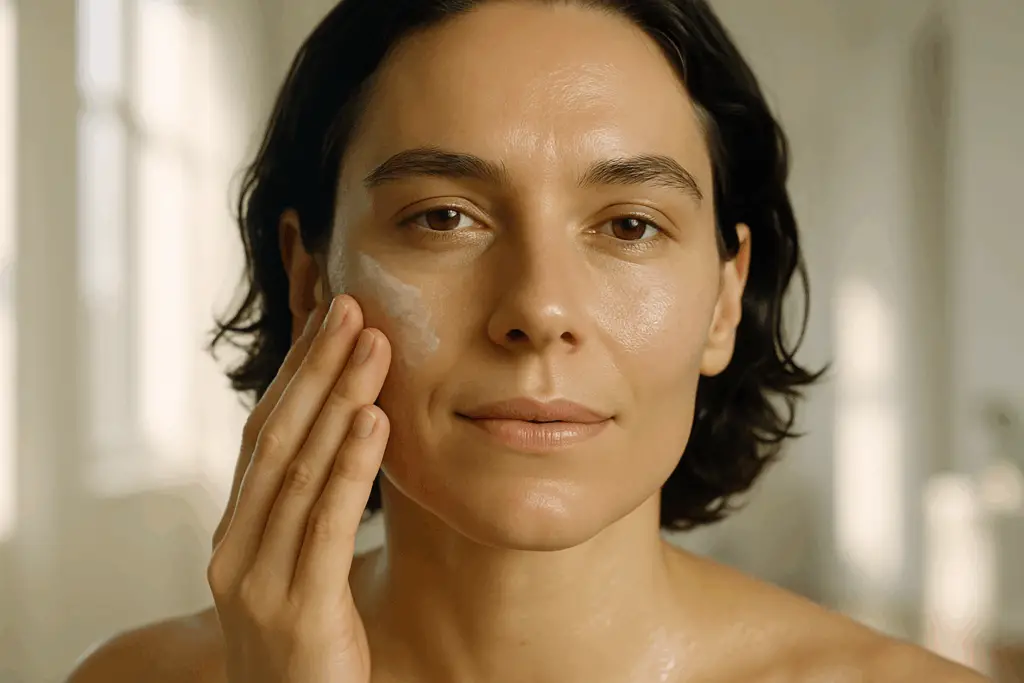
- AHA (Glycolic Acid): The Surface Smoother
Alpha Hydroxy Acids are water-soluble and work their magic on the skin’s surface. Glycolic acid, the most potent AHA, sweeps away the top layer of dead, dull skin. This accelerates cell turnover, which is exactly what your skin needs to fade hyperpigmentation and the frustrating dark or red marks left behind by healed pimples.
- LHA (Lipohydroxy Acid): The Gentle Refiner
LHA is a derivative of salicylic acid but with a much larger molecular size. Because it penetrates the skin very slowly, it provides a highly controlled, gentle micro-exfoliation. It is ideal for refining skin texture day by day without shocking or inflaming your face.
Balance and Barrier Repair
The biggest mistake people make with chemical exfoliants is overdoing it. You cannot simply apply strong acids every single day and expect flawless results; your routine must balance active exfoliation with deep hydration and barrier support.
- First, always apply your exfoliating serums at night, and ensure your skin is completely dry before application (applying acids to damp skin can increase penetration and cause stinging).
- Second, practice “skin cycling.” Use your exfoliating acids for one or two nights, then intentionally take a break. On your recovery nights, put the active ingredients away and focus purely on moisture. Wash your face, apply a hydrating serum, and seal it all in with a robust barrier cream. If your skin ever feels tight, sensitive, or compromised from the exfoliation, reach for heavy-duty restorative ointments like Eucerin Aquaphor or Avene Cicalfate. These act as a protective shield, healing your skin barrier while you sleep.
- The Golden Rule: Sun Protection
If you are incorporating chemical exfoliants into your routine, sunscreen is absolutely non-negotiable. Because AHAs and BHAs reveal fresh, new skin cells, your face becomes highly sensitive to UV rays. Skipping SPF will instantly darken the post-acne marks you are working so hard to fade and lead to premature aging. Apply a broad-spectrum SPF 30 or higher every single morning, regardless of the weather. Checkmore Chemical exfoliation is about working smarter, not harder.