
Navigating The Complexities Of A Nursing Home Abuse Case: Three Core Elements
When you choose a nursing home for your elderly relative, you choose somewhere you thought would provide an optimal level of care – a safe and secure environment to protect someone dear to you who is vulnerable.
Unfortunately, sometimes, the high level of trust you place in these services is broken. 1 in 10 nursing home residents experience abuse while residing in a care home in the US, which is a heartbreakingly high figure.
If your family is dealing with an episode of nursing home abuse, you’re not alone. In this article, you’ll learn about three of the most important elements in understanding and resolving the situation as best you can.
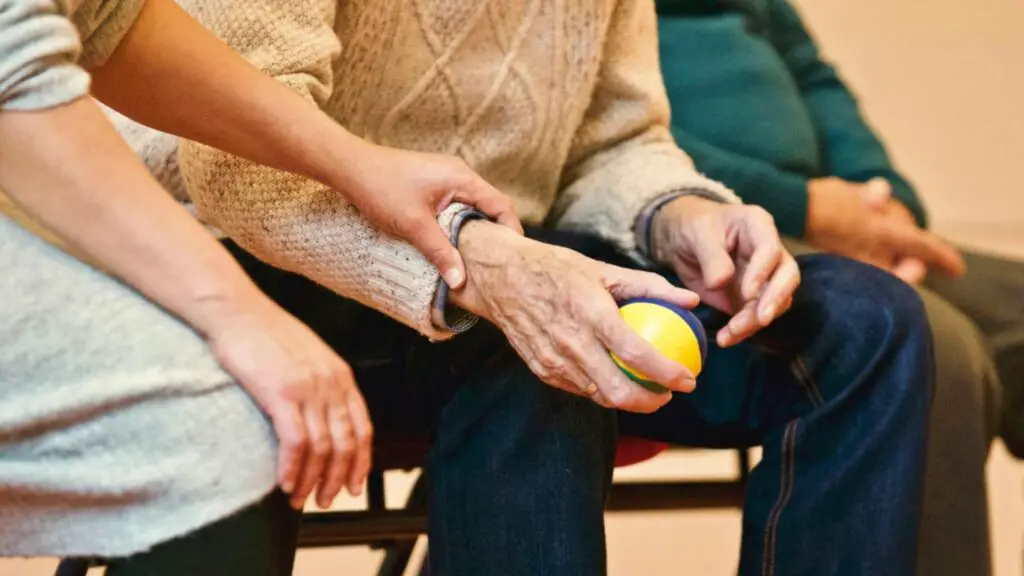
Image Credit: Pexels
Understanding the Initial Signs of Abuse
It may be that you don’t know for sure your elderly relative has experienced abuse, but you suspect this is the case. There are several common signs that your suspicions are correct.
The most obvious outward sign is unexplained injuries such as cuts and bruises: if an elderly person has fallen or hurt themselves, this should have been logged and the injury cared for by staff, so if this hasn’t been the case, it may be a sign of abuse. There are also changes in the behaviour of your loved one that seem out of character, such as depressed mood or heightened anxiety that persists each time you visit.
Many different types of abuse exist, whether it be physical or mental, so it’s key to be on the lookout for both major and minor signs.
Getting Justice
If you suspect that your loved one has experienced abuse within the nursing home, it’s important to reach out to a qualified legal professional. You should always seek justice for nursing home abuse; even if you feel like you can’t face the legal proceedings, your loved one deserves a proper resolution.
A qualified lawyer will help you gather the necessary evidence and build a strong case – something that would be extremely difficult to do on your own without the relevant legal know-how. The process may also involve interviewing witnesses and bringing certain individuals to court.
Depending on their condition, many elderly people cannot advocate for themselves, so it’s up to you to take care of them.
Caring for Your Loved One Afterwards
When the matter itself has been taken care of, it’s key to then reach out to your loved one to support them through the aftermath. Elderly people are more physically and emotionally vulnerable than younger people, and they’ll need time and compassion to process what’s happened. It’s also a good idea to explore therapy.
They’ll likely need to be (and want to be) transferred to another facility, and it’s important to be patient with their fears about living in a home again and work through it with them together.
Wrapping Up
You should now be a little clearer on what’s involved with assessing a case of nursing home abuse and getting justice for your loved one. It won’t be easy, but with the right professional guidance and perseverance, you can ensure the victim receives the care they deserve.