
How To Stop Your Kitchen Appliances From Draining Your Finances
If you’re trying to manage your household costs, then you may be surprised just how many of them come from one room in particular. Given the number of major appliances in there, the kitchen can be a serious drain on your wallet, but that doesn’t mean that you have to sit back and take it. Here, we’re going to look at what you can do to keep those appliances from breaking the bank.
Clean And Maintain Them
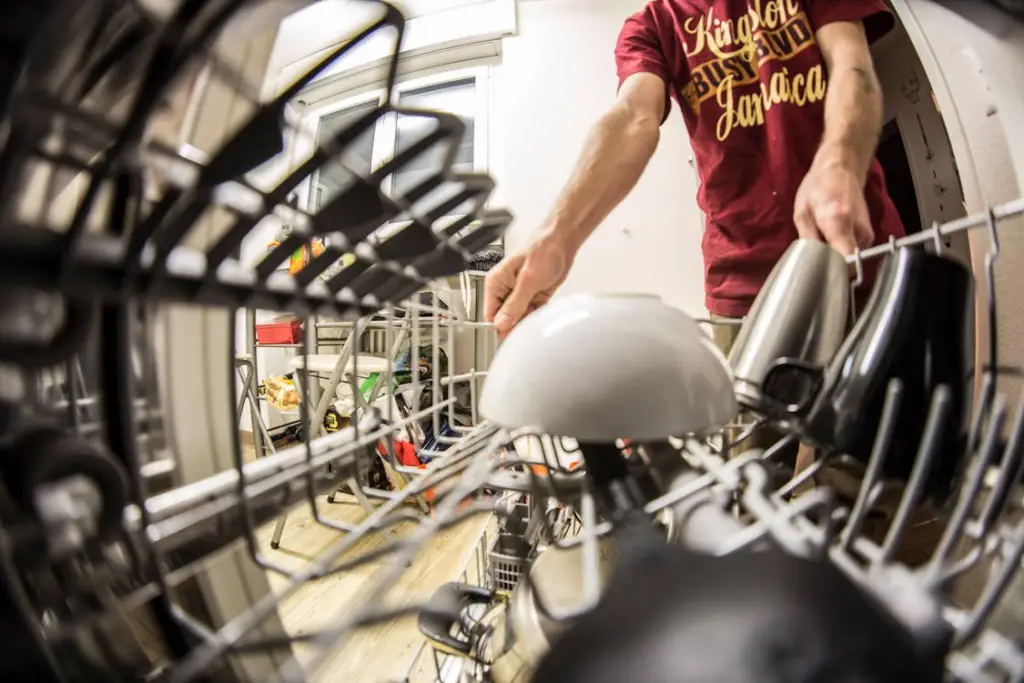
The biggest source of costs with your kitchen appliances is likely to be the expensive repairs or replacements that come when there’s an issue with them. However, a little upkeep can prevent these Issues like dusty fridge coils, clogged dishwasher filters, and grimy oven fans, all force appliances to work harder, using more energy, and wearing out faster. A little monthly maintenance, whether it’s vacuuming those coils, cleaning microwave vents, or inspecting your cords and seals, can help you extend the life of those devices and help them perform much better, saving you money.
Repair, Don’t Replace
Of course, when there is a major issue, you may feel inclined to throw your hands up and give in. A costly replacement is not the only solution, however. Don’t rush to replace when a simple repair may greatly extend the life of your fridge, dishwasher, or oven. They could have years of good service in them with the help of an appliance repair specialist. Unless the unit is very old or beyond repair, fixing it is often the smarter, more economical option. Repairing instead of replacing is a budget-friendly habit that pays off in the long run.
Should You Always Keep Them Plugged In?
Some devices, like the fridge, need to be plugged in all the time. However, for the rest, you may want to double-check that they’re not still plugged in when they’re out of use. A lot of appliances draw power even when they’re ostensibly turned off, which is known as their “phantom load.” To stop this, unplug devices like toasters, microwaves, and coffee machines when not in use. Better yet, use smart plugs or power strips with timers to manage energy flow automatically. This way, you can make sure that you’re keeping your electricity costs down.
Aim For Efficiency
When you do have to swap out an old device for a new one, make sure that you’re paying attention to how much energy they use. What’s more, keep an eye out for the energy-saving modes that they might come with. For instance, dishwashers often have eco-cycles that you can choose to use less power and water with every wash. When you’re choosing new appliances, check their energy rating alongside everything else. More efficient models may cost more initially, but you can make back money and then some in the energy bill savings over the years ahead.
From surprise replacements and breakdowns to the everyday cost of running, your kitchen appliances can have a weighty impact on your finances indeed. Hopefully, the tips above help you get a better handle on them.