How to Feel at Home in the Middle of Nowhere
The Illusion of Constant Access
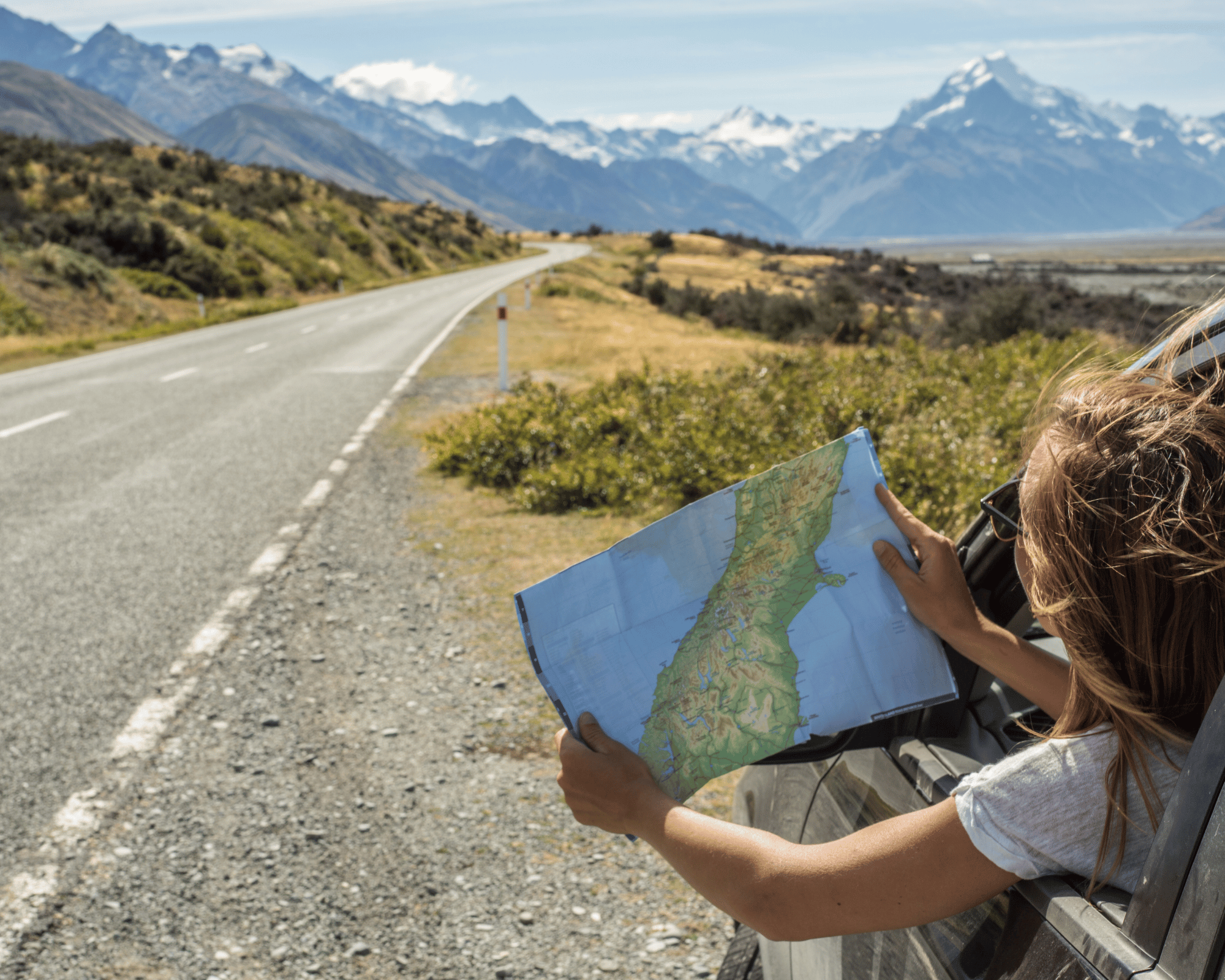
Modern life sells us the idea that more access means more comfort. But after enough hours glued to screens, sitting in boxed spaces with boxed routines, it starts to feel like comfort isn’t the goal anymore—it’s just control. The more you have access to, the less time you seem to have for any of it. And strangely, the further you go off-grid, the more your nervous system remembers what it feels like to be somewhere. Fully.
But how do you actually make a foreign, quiet place feel like home without falling into panic or boredom?

Unpacking Without the Baggage
First: travel light, but not in the Pinterest-perfect way. This isn’t about minimalist duffel bags and matching neutral tones. It’s about dropping the mental clutter. The “What if I forgot something?” fear. The habit of planning every hour. The urge to turn everything into content. Leave it behind. You’re not a tourist here. You’re a guest in stillness.
When you step into the unknown without dragging your old routines, something strange happens: the unfamiliar stops feeling hostile. It just feels honest. It doesn’t ask you to be efficient. It doesn’t matter how many tabs you normally keep open.
Build Your Own Familiar
Familiarity isn’t built with things. It’s built with rhythm. Find a morning anchor—maybe a short walk before breakfast or the ritual of making coffee without noise. You’ll be surprised how quickly a little repetition gives you a sense of place. Your nervous system starts to settle when it realizes you’re not constantly in motion.
This is where something like creek cabins makes all the difference. There’s a stillness to being near water that has nothing to do with vacation vibes and everything to do with biological memory. The cabins themselves are simple—barebones, even—but with the sound of water always present, you remember how much peace can come from the ordinary. No frills. No performance. Just being.
Time Feels Different When You’re Not Chasing It
When you’re in a big city or locked into a routine, time gets swallowed fast. Hours disappear into to-do lists. But in the middle of nowhere, time slows—not because there’s less to do, but because you’re actually doing it. Fully. One thing at a time.
Read a few pages of a book and stop just to listen to the wind. Watch your shadow move across the floor. Let food take its time. You don’t need to fill the silence. You need to let it fill you.
Find the Edges of Yourself
Isolation, even brief, does something radical. It forces you to meet yourself outside of your familiar labels. You’re not the manager here. You’re not the friend with all the answers. You’re not your job title. Out there—miles from the nearest latte—you’re just a person. And that can be terrifying or healing, depending on how tightly you’ve held onto your roles.
The trick is not to push it away. The discomfort is a door. The quiet is not empty—it’s space. For your mind. For your spirit. For whatever part of you got a little lost under all the pressure to be on all the time.
Comfort Isn’t Always Soft
Here’s the thing: real comfort doesn’t always look cozy. Sometimes it looks like a hard wooden chair in front of a cold morning window. Like walking a little too far and getting a little too dirty. Like eating simply and sleeping deeply. But that kind of comfort lasts longer than anything padded inconvenience. It stays with you. Because you earned it.
Final Word
When you make room for the raw, the quiet, and the weirdly uncomfortable beauty of the middle of nowhere, you don’t lose yourself—you actually find more of you. And that’s what coming home should feel like.