
6 Essential Tips for Using a Chainsaw Safely at Home
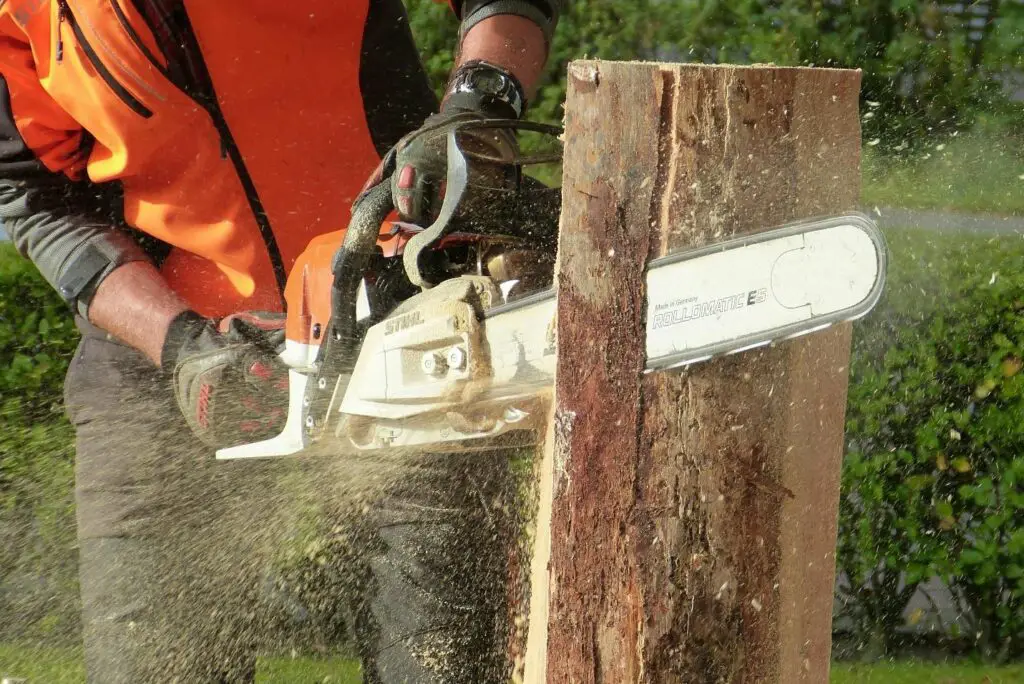
Using a chainsaw at home can be incredibly efficient for tasks such as cutting firewood, trimming trees, or managing fallen branches. However, while chainsaws are powerful tools, they can also be dangerous if not handled correctly. Every year, countless injuries occur because of improper chainsaw use, many of which could be avoided with the proper knowledge and precautions.
Whether you are a seasoned user or a beginner, understanding and practicing chainsaw safety is crucial. This guide will cover essential tips to ensure that you use your chainsaw safely and effectively at home.
1. Wear Proper Protective Gear
Safety should always be your top priority when operating a chainsaw, and the first step in ensuring your safety is wearing the right protective gear. Chainsaws are powerful machines that can cause serious injury if they come into contact with your body. Therefore, it is essential to equip yourself with the necessary protective gear before you start any work.
A helmet with a face shield or goggles is crucial to protect your head and eyes from flying debris. Chainsaw chaps or cut-resistant pants can prevent severe injuries to your legs, which are often at risk when using a chainsaw. Moreover, sturdy gloves help protect your hands from cuts and provide a better grip on the saw. Steel-toed boots with good traction are also important to protect your feet and maintain stability. Wearing the right protective gear can significantly reduce the risk of injury and help you work more confidently.
2. Choose the Right Chainsaw
When it comes to chainsaw safety, selecting the right tool for the job is just as important as knowing how to use it. Different chainsaws are designed for different tasks, and choosing the wrong one can increase the risk of accidents. When shopping for chainsaws, consider factors such as the size and type of wood you’ll be cutting, your level of experience, and the frequency of use.
For light-duty tasks like pruning or cutting small branches, a smaller, lightweight chainsaw may be sufficient. On the other hand, larger, more powerful chainsaws are better suited for heavy-duty tasks like felling trees or cutting large logs. Electric chainsaws are generally quieter and easier to maintain but may not have the power needed for larger jobs. Gas-powered chainsaws, while more powerful, require more maintenance and can be heavier to handle. By carefully considering your needs and the specific tasks you’ll be performing, you can choose a chainsaw that’s safe and effective for your purposes.
3. Inspect Your Chainsaw Before Use
Before you even think about starting your chainsaw, it’s essential to perform a thorough inspection to ensure it’s in proper working order. A well-maintained chainsaw is not only more efficient but also much safer to use. Start by checking the chain tension, as a loose or overly tight chain can lead to dangerous kickback or cause the chain to come off the guide bar during operation.
Next, inspect the fuel levels and oil reservoir if you’re using a gas-powered chainsaw. The chain should be well-lubricated to reduce friction and prevent overheating. Look for any visible damage or wear on the chainsaw, such as cracks, missing parts, or frayed cords, and address any issues before use. Regular maintenance and inspection of your chainsaw are crucial for the safe operation and longevity of the tool.
4. Understand Basic Chainsaw Operation
Understanding the basic operations of a chainsaw is vital for safe and effective use. If you’re new to using a chainsaw or haven’t used one in a while, take the time to familiarize yourself with the controls and functions before starting any work. Begin by reading the user manual thoroughly, as it provides detailed instructions specific to your model.
Learn how to start and stop the chainsaw properly, as well as how to engage the safety features, such as the chain brake. Practice handling the chainsaw with the engine off to get a feel for its weight and balance. It’s also important to know how to properly hold the chainsaw, with both hands firmly on the handles, to maintain control during operation. Proper knowledge of your chainsaw’s operation can prevent accidents and make your tasks easier and more efficient.
5. Maintain a Firm Grip and Stance
When using a chainsaw, maintaining a firm grip and proper stance is crucial for control and safety. Always hold the chainsaw with both hands—your left hand on the front handle and your right hand on the rear handle. This grip gives you better control and helps absorb the saw’s vibrations, reducing fatigue and the risk of accidents.
Your stance is equally important. Stand with your feet shoulder-width apart and your weight evenly distributed to maintain balance. Position yourself slightly to the left of the chainsaw’s cutting path to avoid being directly in line with the blade in case of kickback. Avoid overreaching or cutting above shoulder height, as this can compromise your balance and control. By maintaining a strong grip and stable stance, you can operate your chainsaw more safely and effectively.
6. Be Aware of Your Surroundings
Before you start using a chainsaw, it’s essential to take a moment to assess your surroundings. Chainsaws are powerful tools, and the area where you’re working needs to be clear of obstacles and people to prevent accidents. Begin by surveying the area for any potential hazards, such as uneven ground, loose branches, or objects that could get in your way. Make sure that pets and children are kept at a safe distance while you work.
It’s also important to be aware of the direction in which you’re cutting. Plan your cuts carefully, especially if you’re felling a tree or cutting large branches. Always have a clear escape route in case the tree or limb falls in an unexpected direction. By staying aware of your surroundings and planning ahead, you can significantly reduce the risk of accidents and ensure a safer working environment.
In conclusion, using a chainsaw at home can be highly effective for various tasks, but it requires a strong focus on safety. Each of these tips plays an essential role in reducing the risks associated with chainsaw use, allowing you to complete your projects effectively and without incident.