
Creating A Safe, Healthy Home For Your Kids
When you become a parent, your mission is simple: To protect and nourish your child. As parents, there are few things more important than providing a safe, secure space for your kids to call home. It’s not always easy to establish and maintain a healthy home environment, especially if you’re on a budget, but there are solutions. In this guide, we’ll outline some simple, effective steps to reduce the risk of accidents and injuries and boost health and well-being.

Child-proofing your home
We all want to live in safe homes, but safety becomes a top priority when there are little people around. Child-proofing your home is a process that involves identifying and addressing hazards and creating a suitable environment. It’s beneficial to child-proof your home at every stage of their growth and development. From babies who are just starting to roll around to teens, there are several ways to boost safety and lower the risk of accidents. You can find handy checklists online but it’s also helpful to speak to other parents and get expert advice. The most common types of accidents at home include slips, trips and falls, burns and scalds, poisoning and choking.
The best way to avoid accidents is to eliminate risk factors and dangers. Carrying out regular risk assessments is crucial, especially once children reach an age when they can move around freely or reach surfaces and units. Key steps to prevent incidents include using secure, lockable cupboards to store medication and any other products that can be toxic, such as cleaning products, removing objects from stairways and corridors, installing safety gates and using gun safes if you have a gun in the house. It’s also important to read safety guidelines when you buy toys and other objects you plan to use around your kids. Many come with warnings, which recommend use for children over a certain age. This is common for items with small parts, which can be a choking hazard.
Another important step is to fit and test smoke and carbon monoxide detectors. Smoke alarms are incredibly sensitive, providing warnings long before you can see or smell smoke. Carbon monoxide is known as a silent killer because it has no odor and you can’t see it. Installing detectors in your home will help you prevent carbon monoxide poisoning. Symptoms include dizziness, severe headaches, nausea, vomiting and confusion.

Creating a healthy, happy home
Once you’ve designed a safe haven for your children, turn your attention to boosting health and happiness at home. There are lots of ways to do this, including decluttering, maximizing natural light, creating relaxing, calming spaces for sleep and rest, and providing space for fun, creative activities and quality time together.
Decluttering is beneficial because it increases usable space, reduces stress, enhances safety and creates a more attractive and accessible home. It can also save you time and effort when tidying up, which can be a significant operation after a day of playing. The best way to declutter is to tackle individual rooms and group items into piles you want to keep, donate, throw away or sell. Use storage solutions to find homes for the stuff you want to hang onto. If you’re short on space, maximize vertical storage or use furniture to increase storage space. Beds with drawers underneath are a great option for kids’ bedrooms, for example. Use containers to store toys neatly and schedule regular clear-outs.
Maximizing natural light is a simple way to energize and uplift your family and it can also boost productivity. You can increase natural light in living spaces by opening the curtains or blinds wide, angling furniture towards windows and doors, choosing light colors and hanging mirrors on your walls.
Designing zones in your home is a fantastic way to create spaces that cater to different interests and enhance functionality and versatility. Children of all ages are often energetic and enthusiastic but they need downtime. Setting up indoor and outdoor areas that allow them to play, get creative, make a mess and spend time with friends and family members is beneficial for championing good mental health. Having soothing, serene spaces to rest, wind down and sleep is also critical for the body and mind. Bedrooms and quiet areas should be tranquil, comfortable and cozy. Opt for colors that induce relaxation, avoid clutter and mess, add coziness with different textures and use soft lighting to set the tone.
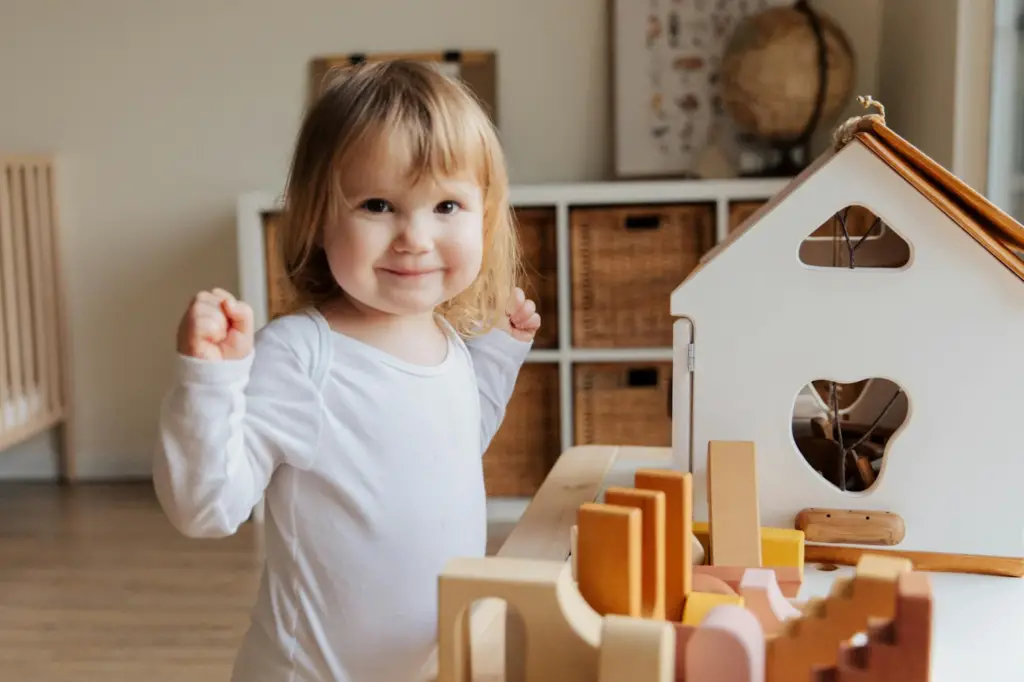
When you become a parent, your goal is to make sure your child is happy and healthy. Creating a safe home environment is pivotal to achieving this objective. Key steps include identifying and addressing hazards, child-proofing your home at every stage of growth and development, and going beyond safety measures to boost happiness and health.