
Buying a Fixer-Upper? Roofing Risks That Can Wreck Your Budget
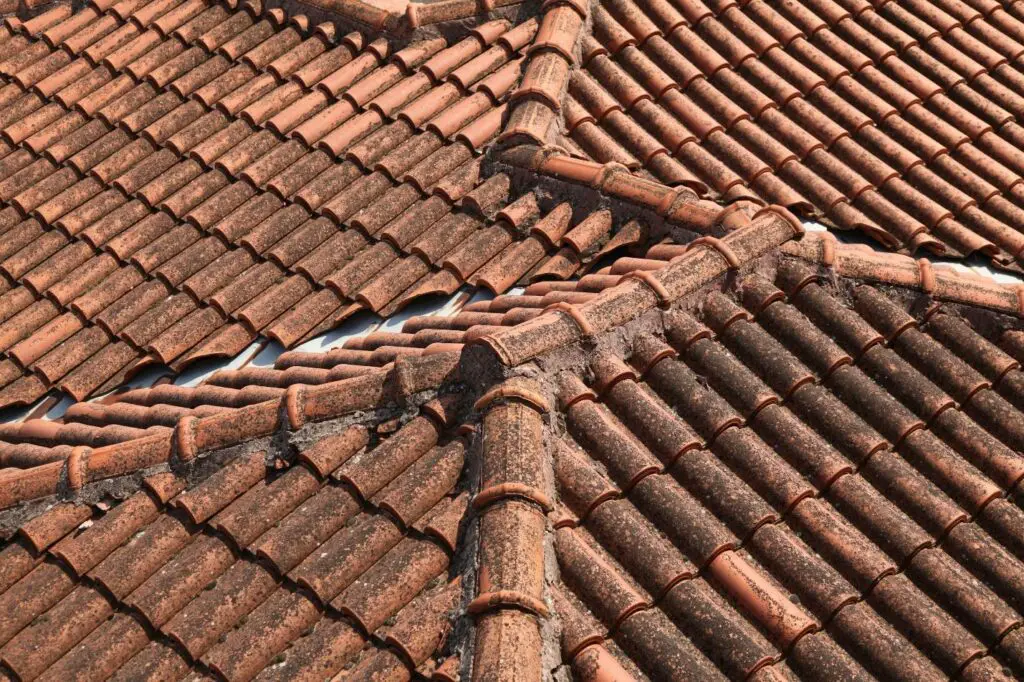
Fixer-uppers attract homeowners and investors for one main reason—they promise potential. In real estate markets like Bethel Park, Pennsylvania, the allure often comes from scoring a deal in a competitive area with well-established neighborhoods and solid resale values. This Pittsburgh suburb offers a mix of mid-century homes and older builds, many of which carry unique charm and generous floor plans. But with that charm comes age — and with age, roofing concerns. Many buyers underestimate the cost of roofing repairs or replacements, especially in areas where weather conditions add an extra layer of wear over the years.
1. Old Roofs Hide Expensive Problems
Old roofs often look serviceable at first glance, especially if the shingles are still in place and there’s no obvious sagging. But underneath, they may conceal damage that only becomes apparent after the purchase. Issues like rotting sheathing, rusted nails, or multiple poorly-done patch jobs can create a false sense of security. When you peel back a few layers, literally, you might discover mold, water damage, or improper ventilation. These issues don’t just cost more to fix—they often delay other parts of your renovation. If your home inspector doesn’t go into the attic, hire someone who will. It’s worth it.
2. Regional Weather Wears Roofs Down Faster
In areas like Bethel Park, roofs age faster than the national average due to rapid seasonal shifts. Freeze-thaw cycles, hailstorms, and high winds combine forces to accelerate wear. Even relatively new roofs in the region may require more frequent inspections and touch-ups. Many homebuyers don’t realize the impact local weather patterns can have on long-term maintenance. A seemingly minor leak can result from years of slow deterioration triggered by these conditions. That’s why scheduling a professional evaluation for Bethel Park roof replacement becomes a wise decision before signing the dotted line. What you discover may change your approach—or your offer.
3. Hidden Leaks Lead to Structural Damage
A roof leak isn’t just about water dripping from the ceiling. Hidden leaks often run down into wall cavities, wood beams, and insulation long before showing visible signs. Moisture spreads silently and warps everything in its path. Over time, this compromises structural elements like joists and support beams. Mold also flourishes in damp, dark places —making repairs more about gutting and replacing than patching. A small water stain might suggest a localized problem, but that’s rarely the case. If a fixer-upper has had one leak, assume there are more. Always trace any past repairs and look for moisture readings in key areas.
4. Insurance May Not Cover Pre-Existing Roof Issues
Many homeowners think insurance will handle any unexpected roofing costs. That belief turns dangerous when buying an older home. Insurers often exclude coverage for existing damage or deny claims tied to lack of maintenance. If the previous owners failed to replace or repair the roof properly, you could inherit both the problem and the full cost. Some insurance companies even request a roof inspection before issuing a policy. Without it, you may get stuck with high premiums—or no coverage at all. Before closing on the home, talk to your insurer and clarify what’s covered and what’s not.
5. DIY Repairs by Previous Owners Can Backfire
Fixer-uppers often attract past owners who tried to cut corners. Roofing is one of the most common places where DIY efforts go wrong. From mismatched shingles to improperly sealed flashing, these amateur fixes can cause bigger problems later. The roof may look patched up, but improper materials or poor installation can allow water intrusion and structural stress. Worse, it can void manufacturer warranties on existing roofing materials. If the previous owners didn’t use a certified contractor, get the work evaluated by someone who knows what to look for. Sometimes, it’s smarter to rip everything out and start fresh.
6. Poor Ventilation Undermines Roof Longevity
A solid roof isn’t just about shingles—it’s also about what’s underneath. Ventilation plays a major role in roof health, especially in older homes. Without proper airflow, heat builds up in the attic, baking shingles from the inside out. During colder months, the lack of ventilation causes condensation, which leads to mold and rot. This combination cuts roof lifespan in half and quietly destroys the materials that support it. When evaluating a fixer-upper, check for soffit vents, ridge vents, or attic fans. If these components are missing or ineffective, you’ll face higher energy bills, roof damage, and unhealthy indoor air.
7. Flashing Failures Cause Widespread Leaks
Flashing is one of the most overlooked elements of a roofing system, yet it’s often the first point of failure. Found around chimneys, skylights, and roof joints, flashing seals out water where shingles can’t. In older homes, flashing may rust, warp, or even be missing entirely. That leaves gaps that allow water to seep in slowly and spread damage undetected. Inspecting a fixer-upper? Don’t just check the shingles—get close-up photos or videos of flashing from a drone or roof inspector. Replacing flashing might seem minor, but when ignored, it becomes the source of thousands in repairs and ruined interiors.
8. Gutter Systems Often Need Total Replacement
Gutters might seem like an afterthought, but they serve a critical role in directing water away from the house. In fixer-uppers, old or clogged gutters can cause water to pool around the foundation or back up under the roof edge. Over time, this leads to leaks, soil erosion, and basement flooding. Some older homes even have original gutter systems that no longer meet modern standards. Before buying, examine whether the gutters sag, leak, or lack downspouts in the right places. In many cases, it’s smarter to budget for a full replacement, especially if roof repairs are also on the horizon.
Buying a fixer-upper offers an exciting opportunity to build equity and design a space that fits your vision. But if the roof isn’t sound, everything underneath it becomes vulnerable. In areas with intense seasonal shifts like Bethel Park, roof damage often runs deeper than it appears. Smart buyers dig past surface-level charm and investigate every inch of the roofing system—shingles, flashing, ventilation, and even the gutters. Spending upfront on a thorough inspection can save tens of thousands in surprises. When it comes to roofing, always expect more than meets the eye. A solid roof protects more than your investment—it safeguards your future.