
5 Key Pedestrian Safety Rules for Children
Teaching children pedestrian safety is crucial for ensuring their well-being. As they walk to school, play in the neighborhood, or cross streets, understanding and obeying pedestrian safety rules can prevent accidents and save lives. Here are five key pedestrian safety rules every child should know.
1. Always Use Crosswalks
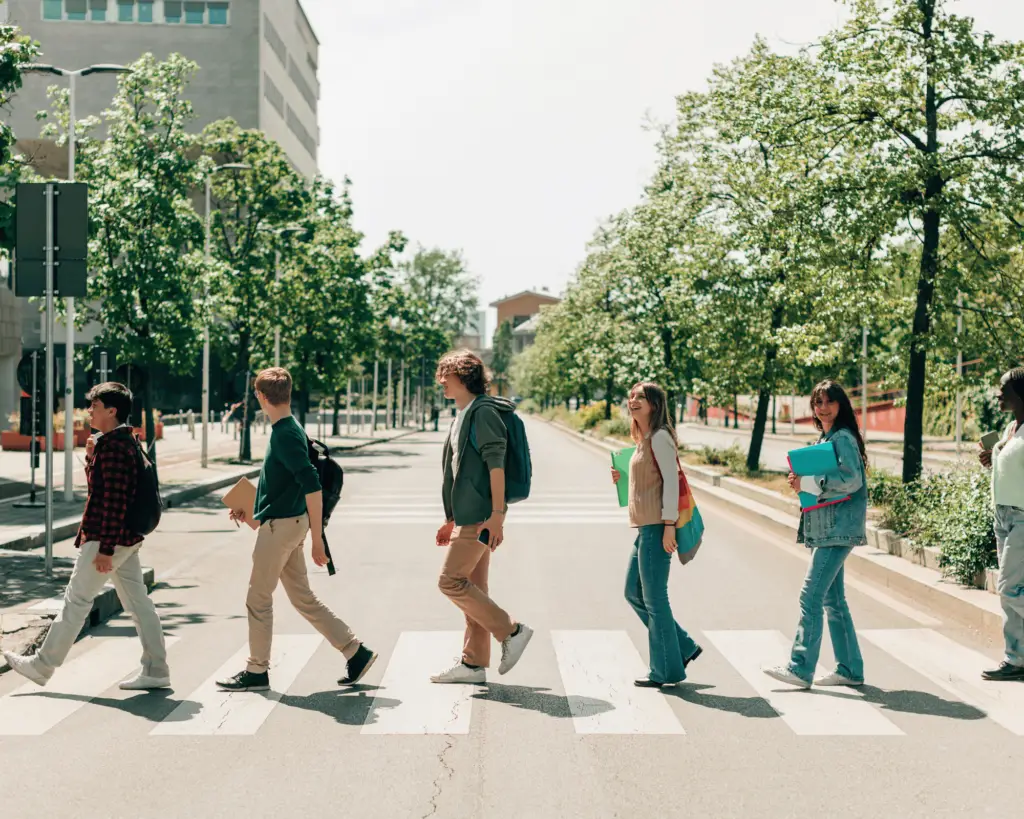
Crosswalks are designed to provide safe passage across roads, and it’s essential to teach children to use them correctly. Crosswalks often have signals and signs to alert drivers that pedestrians may be crossing. They are usually located at intersections, making them the safest place to cross.
According to the Las Vegas pedestrian accident attorneys, you should teach your children how to use a crosswalk properly. They suggest to teach them the following:
- Look for a Signal: Teach your child to only cross when the pedestrian signal shows it’s safe to do so.
- Make Eye Contact: Ensure your child knows to make eye contact with drivers before crossing to confirm they have been seen.
- Stay Within the Lines: Instruct them to stay within the crosswalk lines to remain visible and protected.
2. Stop, Look, and Listen
This age-old rule remains one of the most fundamental aspects of pedestrian safety and is easy for children to remember.
- Stop: Teach children to come to a complete stop at the edge of the curb or before a crosswalk.
- Look: Instruct them to look left, then right, and then left again to ensure no vehicles are approaching.
- Listen: Remind your child to listen for the sounds of car engines, emergency vehicle sirens, or horns, which could indicate danger.
Even if there’s a green light or a walk signal, it’s crucial to double-check for turning vehicles or those running red lights to avoid potential accidents.
3. Avoid Distractions
With the prevalence of electronic devices, distracted walking is more prevalent than ever.
- Smartphones and Tablets: Looking at screens can take a child’s focus away from their surroundings, increasing the risk of accidents.
- Headphones: Wearing headphones can prevent children from hearing important auditory cues like honking or approaching vehicles.
Teach children to always keep their heads up and eyes on their surroundings.
4. Use Sidewalks Where Available
Sidewalks offer a safer path for pedestrians than walking on the road itself. Sidewalks separate pedestrians from vehicles, reducing the risk of accidents. They also provide a defined and safe space for walking.
If a sidewalk isn’t available, teach your child to:
- Walk Facing Traffic: This increases visibility and allows them to see oncoming vehicles.
- Stay As Far From the Road as Possible: Walk on the far edge of the road or along the curb.
5. Understand the Importance of Visibility
Ensuring that your child is visible to drivers is vital, especially during low-light conditions.
- Wear Bright Clothing: During the day, bright or fluorescent clothing can make your child more noticeable.
- Use Reflective Gear: At night or in dim light, reflective vests, armbands, or even shoes with reflective strips can enhance visibility.
- Carry a Flashlight: A flashlight can make children more visible and help them see the path ahead.
Instruct your child to be extra cautious when walking during dusk, dawn, or poor weather conditions. Reduced visibility increases the risk of accidents, making extra attention necessary.
Teaching these five key pedestrian safety rules will help your child navigate roads safely. By instilling these habits early, you ensure they develop lifelong skills to protect themselves as pedestrians. Make learning these rules interactive and engaging to reinforce their importance and keep your child safe.


